




How Counter-Strike Became One of the Most Iconic Games in Nerd History?
While some games enter the market with a boom, they vanish when the next shiny thing arrives. Counter-Strike is different!
It crept in through the side door as a Half-Life mod, found the people who loved tense team play, and then simply refused to leave. No dragons. No spell slots. No character sheets. Still, somehow, it scratches a very familiar nerd itch.
Planning matters. Teamwork matters. Bad choices get punished. One great play can become a table legend.
That is Counter-Strike.
From Half-Life Mod to Gaming Legend

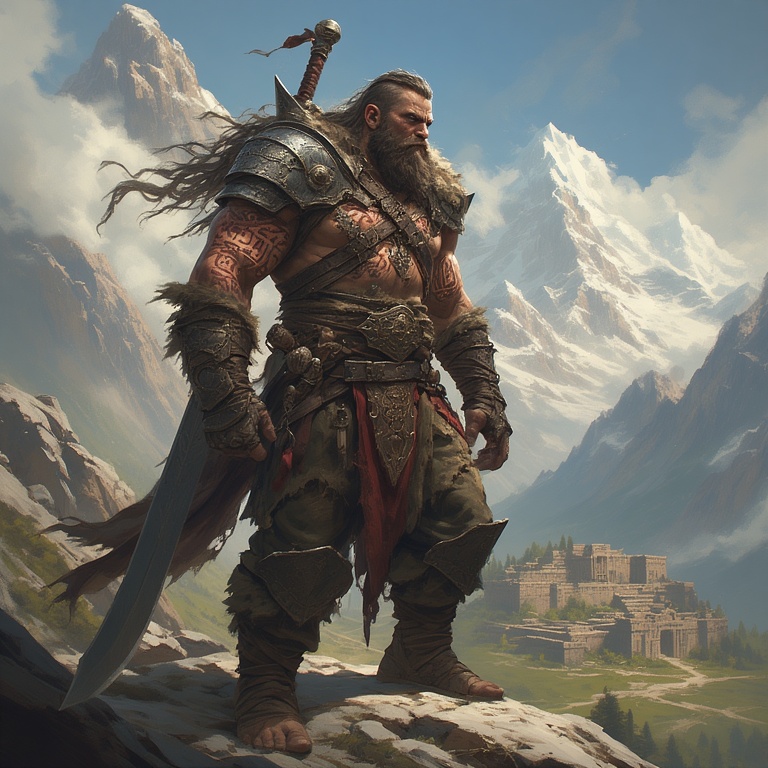
What is looks when the Artificer bard takes the stage.
Counter-Strike started life as a Half-Life mod, and its beta version came later. It was not some huge studio launch at first. It was a community-made project built around a simple but powerful idea: tense rounds, careful movement, dangerous weapons, and teamwork that actually mattered.
That is about as nerd culture as it gets.
Somebody looked at an existing game and said, “What if we made this play completely differently?” Then players showed up, servers filled, friends invited friends, and a mod became a movement.
Counter-Strike grew the same way many tabletop games grow. Not because everyone saw an ad, but because someone said, “You have to try this with us.”
That matters.
The best nerd hobbies are rarely just products. They become hangouts. They become habits. They become the thing your group does on Friday night because everybody already knows where to be.
Counter-Strike Was Esports Before Esports Had a Suit On
Before esports had giant arenas, slick broadcasts, and teams with full media departments, Counter-Strike already had the heart of it.
Five players on one side. Five on the other. A map everyone studies like a dungeon layout. A round timer ticking down. A bombsite waiting to become the center of everyone’s bad decisions.
It was clean, readable, and intense.
You did not need a lore book to understand the drama. One player left against three enemies? Everyone gets quiet. A fake at one bombsite while the real push goes somewhere else? That is the same feeling as the party splitting the enemy’s attention before the rogue makes their move.
Counter-Strike made competition feel personal because every round had weight.
No respawning into the same fight over and over. No hiding behind chaos forever. If you got caught in the wrong place, you had to sit there and watch your team finish the story without you.
That sounds brutal because it is.
It also makes every clutch feel incredible.
The Rules Are Simple, the Obsession Is Not
On paper, Counter-Strike is almost suspiciously easy to explain.
One team attacks. One team defends. Plant the bomb, defuse the bomb, rescue hostages, or eliminate the other side. Buy weapons. Use utility. Easy enough!
Then you actually play it.
Suddenly, you are learning recoil patterns, money management, map angles, smoke lineups, flash timings, rotation calls, sound cues, and why peeking the same corner three times is usually a cry for help.
That is where Counter-Strike becomes dangerous to the nerd brain.
It gives you a simple structure and then hides an ocean underneath it. Every match asks small tactical questions. Do we save this round? Do we force buy? Do we rush? Do we fake? Do we take mid control? Do we trust the teammate who says, “I have a plan,” even though history has taught us this is how disasters begin?
Tabletop players know this rhythm well.
A good combat encounter is not good because there are a hundred rules on the table. It is good because the choices matter. Counter-Strike understands that better than almost anything.
The Community Never Really Logged Off

A lot of games have passionate communities for a season.
Counter-Strike has had one for decades.
That is the wild part.
From 1.6 to Source, then Global Offensive, and now CS2, the game has changed a lot on the surface. New engines, better visuals, smoother systems. But despite everything, players stayed. Global Offensive dropped in 2012, and CS2 followed in 2023, carrying that same core experience forward into the next era.
But the soul stayed recognizable.
Same pressure. Same arguments. Same feeling when a teammate wins a round they had no business winning. The same groan when someone buys when everyone agreed to save. Same beautiful disaster energy when the plan lasts exactly four seconds.
That continuity is why Counter-Strike feels less like a normal franchise and more like a long-running campaign.
New players join. Old players return. Strategies shift. Maps get updated. The table changes, but the game is still the game.
That is hard to pull off.
CS2 Carries the Torch
Counter-Strike 2 did not need to reinvent the wheel. Honestly, that would have been the fastest way to scare off the people who kept the fire burning.
Instead, CS2 feels like the next table in the same campaign room.
The visuals are sharper. The smoke and map updates give players new things to learn. The Source 2 upgrade makes the whole thing feel more modern. But the old Counter-Strike tension is still there.
That tension is the sacred thing.
It is the moment before the execution. The second when footsteps stop. The panic of hearing the bomb planted. The strange confidence of a player with low health and one bullet deciding they are absolutely still the main character.
Counter-Strike lives in those moments.
CS2 keeps them alive for a new generation of players while giving veterans a reason to argue about details, which is basically a love language in competitive gaming communities.
Skins, Loadouts, and Player Identity
Here is where Counter-Strike gets especially fascinating.
For a game built on competitive purity, its cosmetic scene became one of the deepest item cultures in gaming. Skins do not make your aim better. They do not win rounds for you. They do not turn a bad peek into a good one.
But they do make the game feel more personal.
And players care about that.
A favorite weapon skin can become part of your identity. Some players like clean designs. Some want loud colors. Some care about rarity. Some just want the loadout to feel like theirs when they drop into a match.
For players who want to personalize that side of the game, Eneba’s marketplace lets you browse CS:GO skins for sale, with a wide selection of weapon skins across both CS2 and the classic CS: GO catalog. It is a handy way to engage with the cosmetic side of Counter-Strike if your loadout needs a little more personality.
And yes, fashion is still part of the endgame.
Even in a tactical shooter.
Why Nerd Culture Claimed Counter-Strike

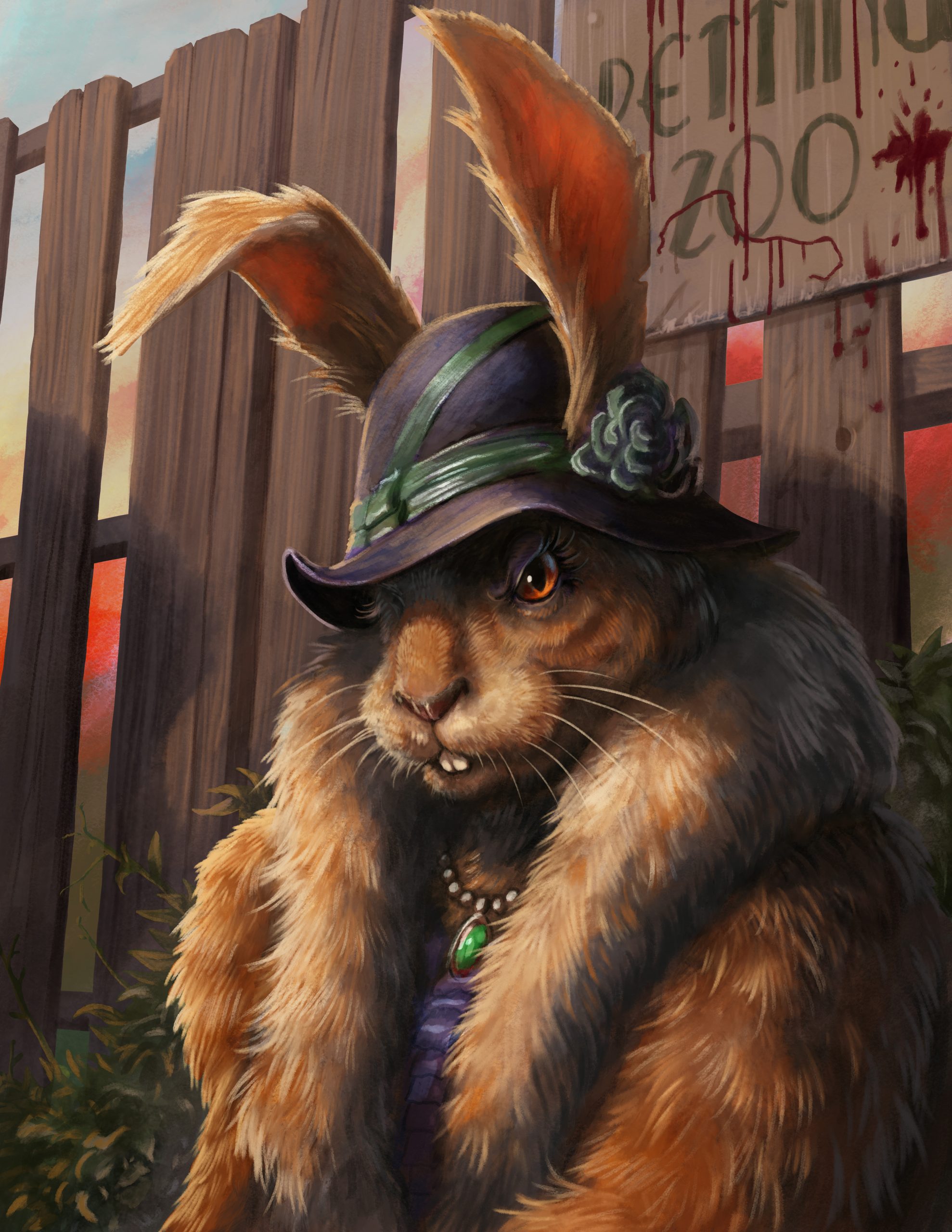
Zoo Mafia RPG Chicks Don’t Mess Around.
Counter-Strike became iconic because it rewards the things nerd communities already love.
Practice. Mastery. Shared language. Strategy. Ritual. Community stories. Obsessive detail.
Every map uses different vocabulary, and groups have distinct habits. Every player has a memory of a round that should have been impossible. That is the same stuff that keeps tabletop groups talking long after the session ends.
Nobody remembers every normal round.
They remember the ridiculous clutch. The perfect flash. The teammate who whiffed every shot and somehow still saved the day. The plan that failed so badly it became funny. The quiet player who suddenly became a legend for thirty seconds.
That is where Counter-Strike becomes more than mechanics.
It becomes shared history.
Final Thoughts from the Nerd Table
Counter-Strike has earned its place in nerd history because it never stopped being itself.
It started as a mod and became a pillar of PC gaming. It helped shape competitive play before esports had the vocabulary it has now. It built communities around skill, teamwork, frustration, improvement, and those rare perfect moments when everyone does their job, and the round comes together.
That is the magic.
Not just the shooting. Not just the maps. Not just the skins or the tournaments or the legacy.
It is the people.
Counter-Strike gave players a place to gather, compete, learn, shout callouts, make mistakes, and come back for one more round.
And then one more after that.
Until next time, stay nerdy.



No Comments